A board that fits the wall is not necessarily large enough for the audience. Think about the last row, the amount of information displayed at once and how often you need to erase mid-lesson.
Start with the viewing distance
Stand where the farthest student or meeting participant will sit. Imagine a full lesson on the board: can the smallest important words and diagrams still be read? A larger surface allows bigger handwriting and clearer diagrams while leaving earlier notes visible. The exact dimensions depend on room depth, sightlines and the teacher's writing style; there is no universal size for every classroom.
Measure the usable wall, not just the room
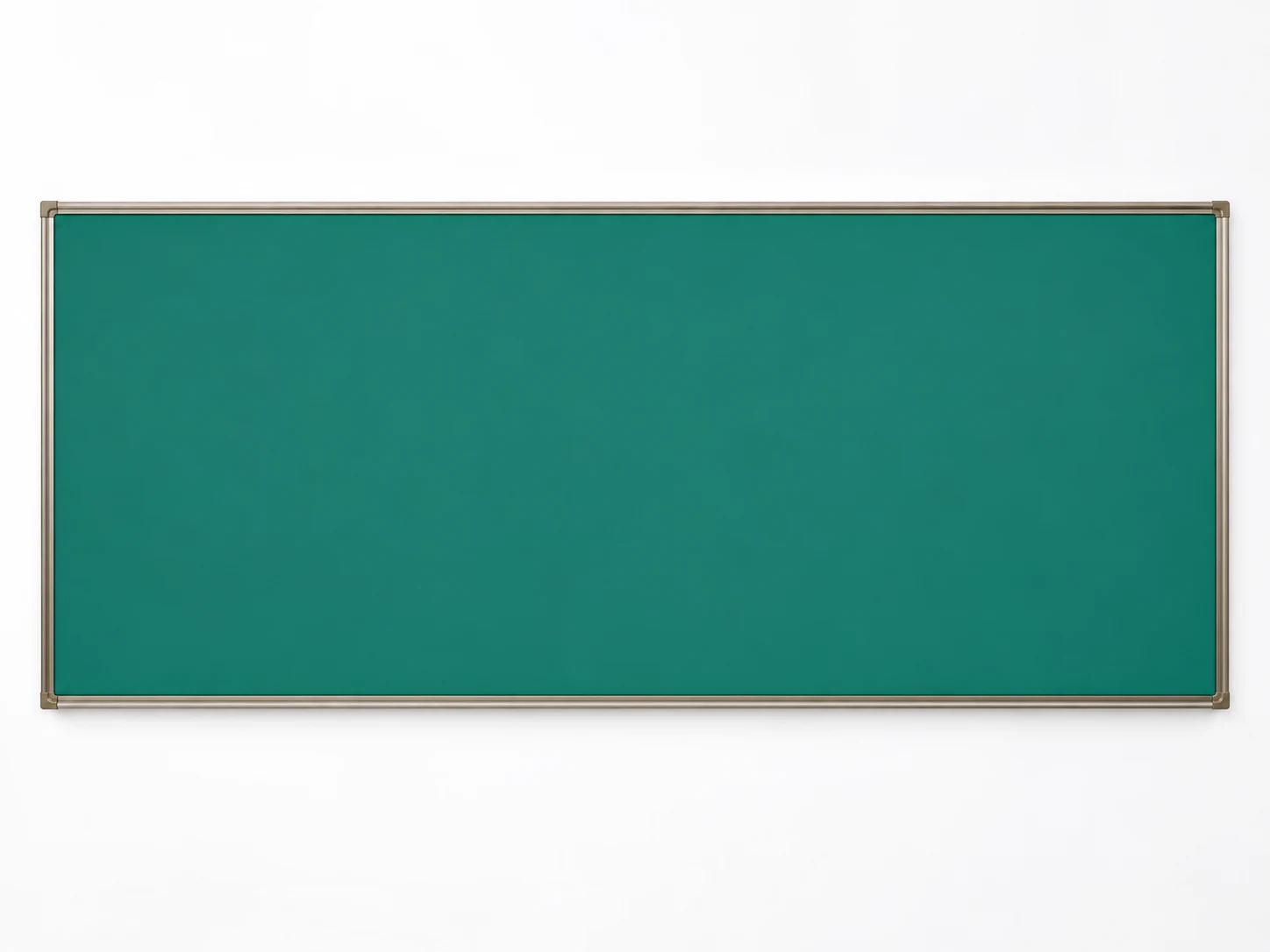
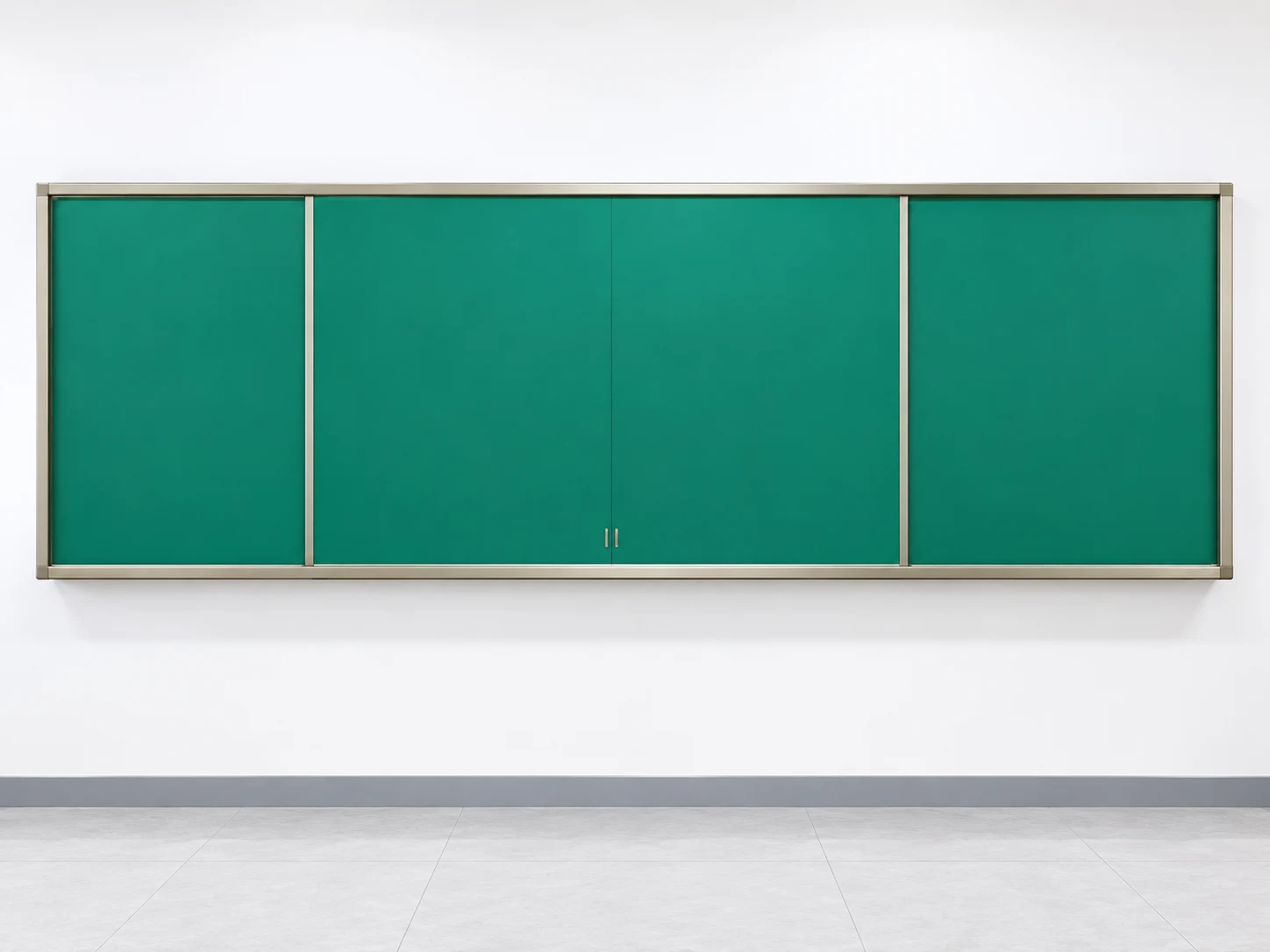
Record the clear width and height after accounting for doors, switches, screens, cabinets and projection areas. Leave room for safe mounting and comfortable reach. Check that both left and right edges are usable from normal teaching positions. For a wide wall, a 4000 × 1220 mm Single Panel Board or 4000 × 1310 mm Sliding Board can be a starting point; final dimensions can be customized to your space.
Choose more usable writing area
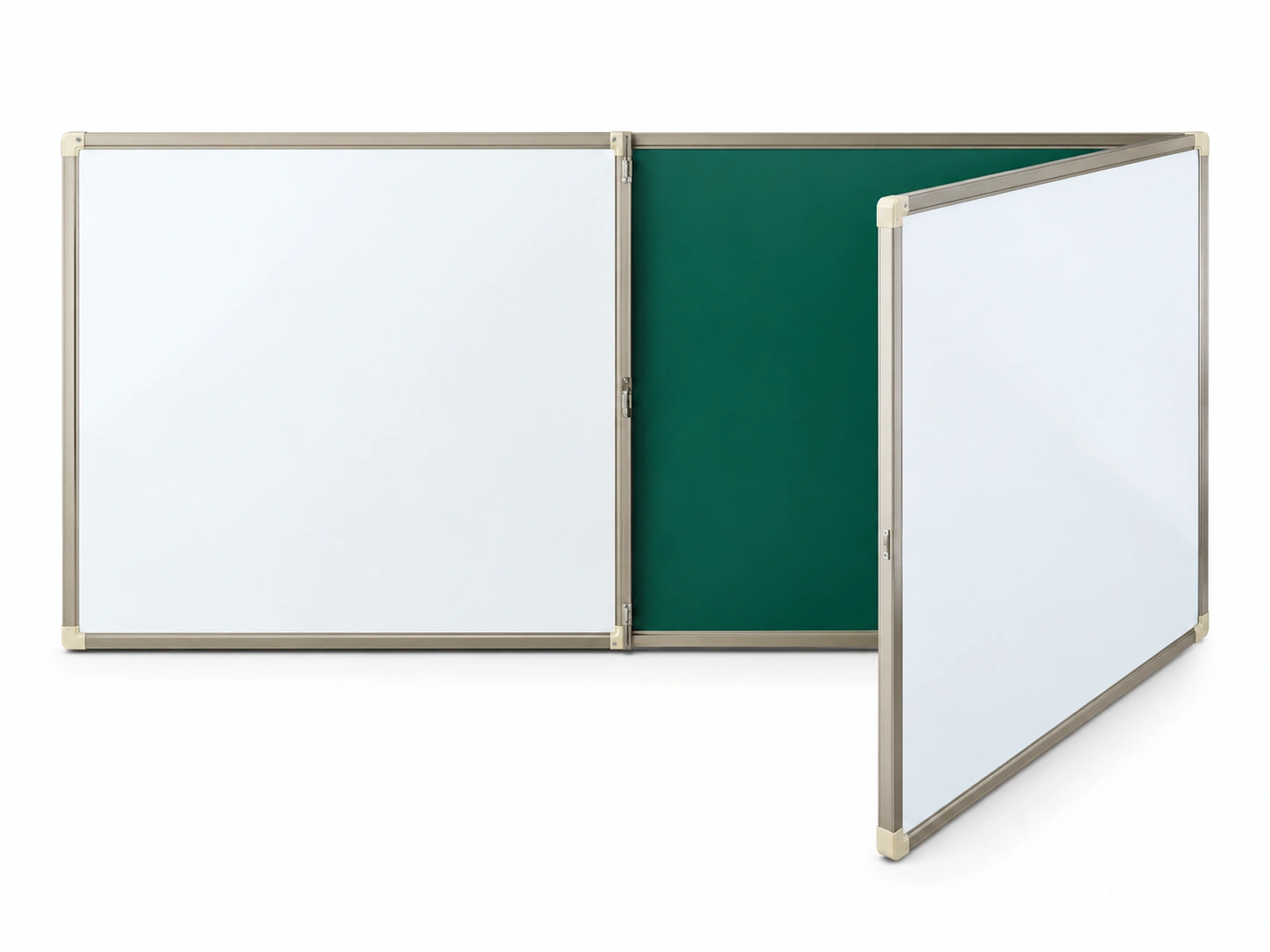
In a busy classroom, a small board forces frequent erasing and interrupts the lesson. If the wall permits, choosing a larger board now creates more space for side-by-side examples, schedules and student work. Where wall width is limited, a Tri-Fold Board can provide additional writing faces; for different standing heights, consider a Height Adjustable Board.
Send the wall's usable width and height, a room photo, seating distance and your preferred installation. We will recommend a practical size and configuration for your project.
Request a size proposal ↗